Gold defies Fed hike bets, tops $4,100 as oil rout hits the dollar
 ITF Team3 min read
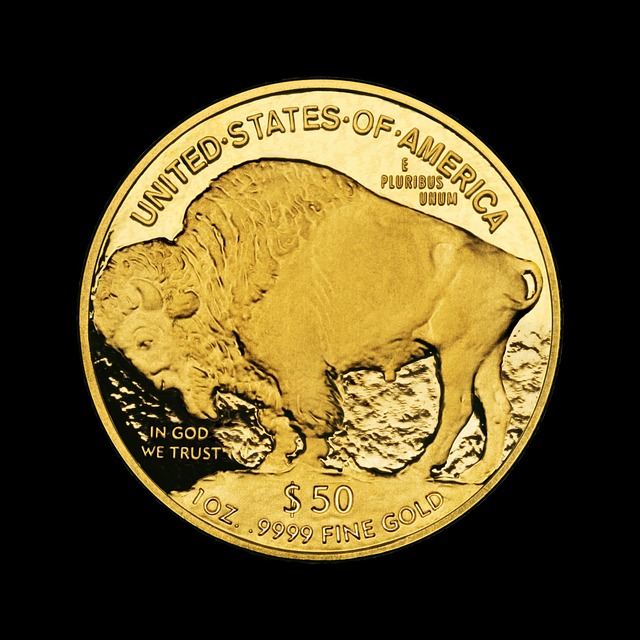
Gold jumps over 1.5% to $4,130 on Nov 9, 2026 as the dollar slides and oil falls, while Fed rate‑hike odds rise to 84%.
Key takeaways
- Gold rose above $4,130 on 11/9/2026, up more than 1.5%.
- The US Dollar Index fell to 101.81, down 0.46%.
- FedWatch odds of a December rate hike rose to 84% after the payrolls report.
- PBoC added about 25.8 metric tons of gold in October, its biggest monthly buy in three years.
On Monday, November 9, 2026, spot gold (XAU/USD) surged past $4,130, a gain of roughly 1.5% despite a market that is pricing in a higher probability of a Federal Reserve rate hike in December. The move was driven mainly by a weakening US dollar and a sharp drop in oil prices, which together lifted the safe‑haven appeal of gold.
Dollar weakness and oil plunge lift gold
The US Dollar Index slipped 0.46% to 101.81 as West Texas Intermediate crude slid nearly 6% to $85 per barrel. The oil rout reduced the dollar’s safe‑haven demand because oil is priced in dollars; a cheaper barrel eases pressure on the currency. With the greenback under pressure, gold, which is inversely correlated with the dollar, found fresh buying support.
At the same time, US 10‑year Treasury yields edged up two basis points to 4.889%, reflecting market expectations of further tightening after the strongest non‑farm payrolls data in months. Higher yields normally weigh on gold, but the dollar’s decline outweighed that effect.
Fed rate‑hike expectations rise after strong jobs data
Friday’s payroll report showed non‑farm payrolls beating estimates and the unemployment rate falling to 4.1% from 4.2%. The CME FedWatch Tool consequently lifted the odds of a December 2026 rate increase to 84%, up from 76% the day before. Fed officials voiced mixed tones: Richmond Fed President Thomas Barkin said there is no base‑case for a December hike, while Chicago Fed President Austan Goolsbee warned that services inflation is picking up and could force tighter policy.
Even with the higher probability of a rate hike, gold’s rally continued because the dollar’s slide was sharper than the yield rise, and central‑bank buying added a floor to the market.
Read also: US CPI October 2026 preview: monthly core pace expected to ease
Central‑bank buying provides a backstop
The People’s Bank of China (PBoC) added roughly 25.8 metric tons of gold to its reserves in October, the largest monthly purchase in three years, according to the World Gold Council. Such buying supports demand and reinforces gold’s role as a reserve asset, especially when sovereign investors seek diversification amid geopolitical uncertainty.
Emerging‑market central banks have been net buyers of gold in recent years, a trend that underpins the metal’s resilience even when interest‑rate expectations rise.
Technical picture and near‑term outlook
Technically, gold is testing the $4,100 level, which acted as support earlier in the week. The Relative Strength Index is hovering around the neutral 50 mark, suggesting balanced momentum. For a bullish continuation, XAU/USD needs to break above the 100‑day SMA at $4,191 and the 50‑day SMA at $4,201. A clear break could open the path toward the psychological $4,300 barrier.
On the downside, a move below $4,100 would invite sellers to target $4,000, then the November low of $3,919 and the year‑to‑date trough near $3,879. Traders will watch the US CPI release on Tuesday, expected to rise to 3.9% YoY, for further clues on the Fed’s policy trajectory.
- US CPI (Oct) expected 3.9% YoY
- Core CPI (Oct) forecast 2.8% YoY
- December Fed hike odds 84% (CME FedWatch)
- PBoC gold purchase Oct: 25.8 metric tons
Frequently asked questions
Why did gold rise despite higher odds of a Fed rate hike?
Gold’s advance was mainly a reaction to the dollar’s decline and the oil price slump. The dollar fell 0.46% to 101.81, and oil dropped about 6% to $85, both of which boost gold’s safe‑haven appeal and outweigh the negative impact of higher US Treasury yields.
What level must gold break to aim for $4,300?
Traders look for a breach of the 100‑day simple moving average at $4,191 and the 50‑day simple moving average at $4,201. Clearing both would set the stage for a move toward the $4,300 psychological barrier.
Official data sources
Related news
- US CPI October 2026 preview: monthly core pace expected to ease
- Gold climbs as dollar slides, oil falls ahead of US CPI
- USD weakens as US‑Iran agreement speculation pressures dollar
- Bitcoin price near $75,000 as stocks rebound ahead of US inflation report
More from ITF
- ITF trading signals for gold and forex
- Copy verified traders with ITF Copy Trading
- This week’s economic calendar
This article is compiled from international market news for information only. It is not investment advice.