Japan GDP contracts, USD/JPY tests 160 in market overview
 ITF Team3 min read
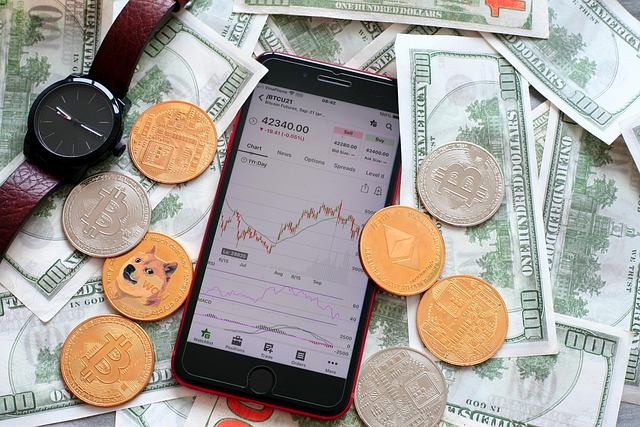
Japan's Q3 GDP fell 0.1% as energy subsidies end, pushing USD/JPY toward 160; oil eases, gold slides and Bitcoin sees outflows.
Key takeaways
- Japan's third‑quarter GDP contracted 0.1% YoY, the first decline in a year (Nov 15, 2026).
- USD/JPY tested the 160 level as traders priced in possible BOJ rate hikes (Nov 16, 2026).
- Brent crude dipped below $85 as Middle‑East supply concerns eased (Nov 16, 2026).
- Spot Bitcoin ETFs recorded a seventh straight day of outflows, losing $185.4 million (Nov 15, 2026).
Global markets opened mixed on 16 November 2026, with the yen under pressure after Japan reported an unexpected 0.1 % contraction in third‑quarter GDP. The data highlighted the impact of expired energy subsidies and higher oil prices linked to the Iran war, reviving concerns that the Bank of Japan may need to tighten policy faster than expected. The yen’s slide lifted USD/JPY toward the psychologically important 160 mark, while oil prices eased and precious metals retreated amid rising U.S. Treasury yields.
Currencies and central banks
Japan’s GDP miss and the accompanying inflation data have sharpened expectations that the Bank of Japan could raise rates in 2027. Traders are now watching the USD/JPY pair closely; a breach of 160 could trigger further yen selling as carry‑trade flows return. The euro and pound remain relatively stable against the dollar, but the yen’s weakness is also spilling into EUR/JPY and GBP/JPY, which have risen modestly.
The upcoming CAD CPI releases at 13:30 UTC (20:30 giờ VN, 21:30 北京时间) are flagged as high impact, potentially influencing the Canadian dollar and broader risk sentiment. Later in the day, Fed Chair Jerome Warsh’s speech at 17:00 UTC (00:00 giờ VN, 01:00 北京时间) carries high impact for USD volatility, while RBA Governor Bullock’s address at 22:50 UTC (05:50 giờ VN, 06:50 北京时间) will be watched for clues on Australian monetary policy.
Oil, gold and other commodities
Crude oil prices slipped as market participants reassessed supply dynamics after the Iran conflict’s initial shock. Brent fell below $85 per barrel, a modest retreat that UBS still sees as a prelude to a possible $110 rally if supply tightens further. The broader oil market remains sensitive to any escalation in the Middle East, but the current dip offers a brief relief for risk‑on investors.
Gold and silver continued their downward drift, pressured by higher U.S. Treasury yields and a stronger dollar. XAU/USD slipped below $1,950, while silver slipped under $50 per ounce. Analysts warn that a break below $48 could open a path toward $44‑$45, especially if yields keep climbing.
Read also: Japan Q3 GDP shrinks 0.1% annualised, yen under pressure
Cryptocurrencies
Bitcoin faced a sharp sell‑off driven largely by U.S. investors, according to Anchorage Digital data. Spot Bitcoin ETFs recorded a seventh consecutive day of outflows, shedding $185.4 million on 15 November 2026 and pushing November’s cumulative loss to roughly $2.1 billion. The pressure coincides with growing regulatory scrutiny and a broader shift of capital toward equities and commodities.
Meanwhile, the crypto community is rallying around a “war room” to restore confidence in Nvidia, whose AI chips are critical for blockchain mining. Enterprise blockchain projects are also gaining renewed interest as scalability and privacy solutions improve, suggesting a longer‑term revival beyond the current price turbulence.
Key calendar events ahead
- 13:30 UTC – CAD CPI m/m (high impact) – gauges Canadian inflation and may move CAD and risk assets; 13:30 UTC – CAD Median CPI y/y (high impact); 13:30 UTC – CAD Trimmed CPI y/y (high impact); 13:30 UTC – CAD Common CPI y/y (medium impact) – all provide a fuller picture of price pressures in Canada; 17:00 UTC – USD Fed Chairman Warsh Speaks (high impact) – Fed guidance will shape expectations for
Frequently asked questions
Why did Japan's GDP contract and how does it affect the yen?
Japan’s third‑quarter GDP fell 0.1 % as energy subsidies expired and higher oil prices from the Iran war hit households. The weaker output reduces growth expectations, prompting the market to price in possible earlier BOJ rate hikes, which in turn pushes the yen lower against the dollar, testing the 160 level on USD/JPY.
What is driving the recent outflows from Bitcoin ETFs?
Data from Anchorage Digital shows U.S. investors are the main sellers, accounting for the seventh straight day of outflows that totalled $185.4 million on 15 November 2026. The sell‑off reflects heightened regulatory concerns and a shift of capital toward safer assets such as gold, oil and equities.
Official data sources
Related news
- Japan Q3 GDP shrinks 0.1% annualised, yen under pressure
- Aud/usd falls below 0.6800 as fed hawkish comments drive dollar higher
- Silver price falls below $50 as Treasury yields jump
- Bitcoin ETFs lose $2.1 billion in November as outflows extend to seven days
More from ITF
- ITF trading signals for gold and forex
- Copy verified traders with ITF Copy Trading
- This week’s economic calendar
This article is compiled from international market news for information only. It is not investment advice.