NZD/USD firms on USD weakness despite highest NZ unemployment in 11 years
 ITF Team3 min read
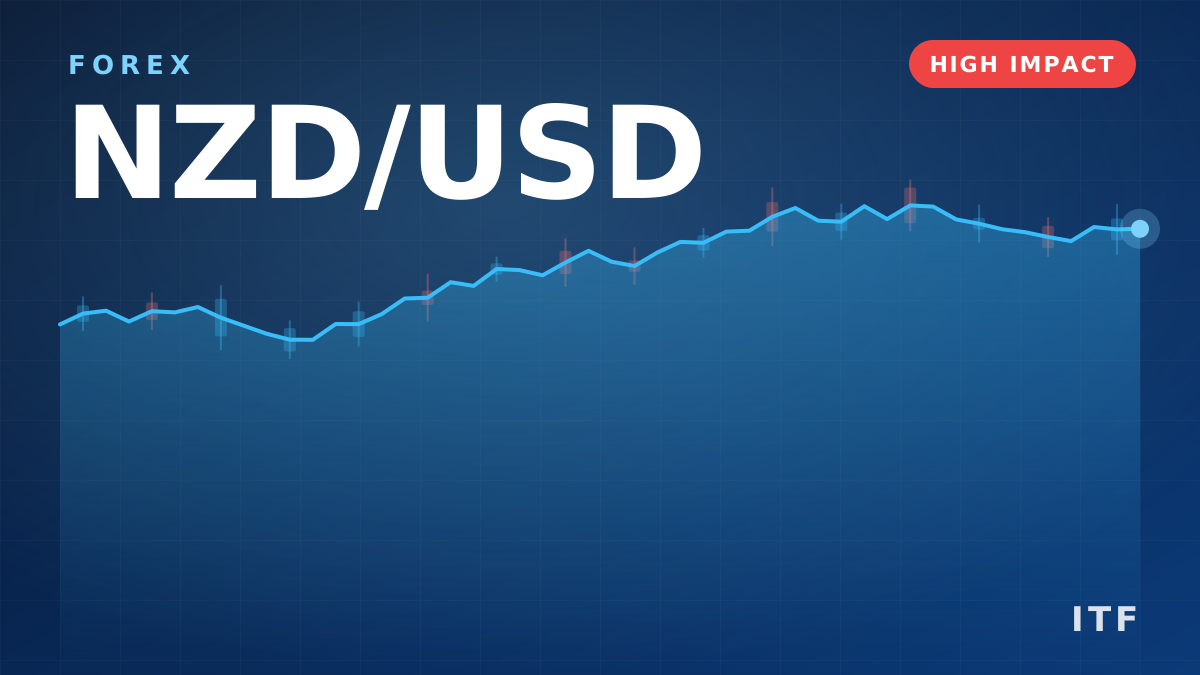
NZD/USD climbs to 0.5620 on Nov 4, 2026, up 0.19% as US dollar slides after midterm elections, even though New Zealand unemployment hits 5.7%, the highest in 11 years.
Key takeaways
- NZD/USD traded around 0.5620 on Nov 4, 2026, up 0.19% on the day.
- New Zealand unemployment rose to 5.7% in Q3 2026, the highest level in 11 years.
- The US Dollar Index fell about 0.35% to near 101.50, its lowest since Sep 30, 2026.
- Markets assign an 81% probability to a Fed rate hike in December 2026.
The New Zealand dollar strengthened on Wednesday, Nov 4, 2026, hovering near 0.5620 against the US dollar – a 0.19% gain for the session. The move came despite New Zealand’s labour market reporting the highest unemployment rate in over a decade, highlighting the dominant influence of US political and monetary dynamics on the pair.
US dollar weakness drives the rally
The broader decline in the US dollar set the stage for the NZD bounce. After the midterm elections, Democrats secured control of both the House and the Senate, creating expectations of legislative gridlock for the Trump administration. This political uncertainty dampened risk appetite for the greenback, while Treasury yields slipped, adding further pressure. The US Dollar Index (DXY) dropped roughly 0.35% on the day, trading near 101.50, its lowest level since September 30, 2026.
Lower US yields also reduced the relative attractiveness of the dollar in carry trades. With the Fed still projected to tighten – the CME FedWatch tool shows an 81% chance of a December rate hike – the dollar’s decline reflects a tug‑of‑war between expectations of higher rates and the political risk premium that now weighs on US assets.
New Zealand labour data and RBNZ outlook
Domestic fundamentals, however, were not supportive. Statistics New Zealand released Q3 figures showing unemployment climbing to 5.7%, up from 5.6% in the previous quarter and well above the 5.5% consensus. Employment change slipped 0.1% quarter‑on‑quarter, contrary to forecasts for a 0.4% rise. These numbers mark the highest jobless rate since 2015 and reinforce a cautious stance for the Reserve Bank of New Zealand (RBNZ).
The RBNZ had surprised markets a week earlier by holding its policy rate steady, signalling that further tightening may be limited by the weakening labour market. While the Fed is expected to raise rates, the RBNZ’s room to act is constrained, creating a divergence in monetary outlooks that could cap the NZD’s upside despite the dollar’s weakness.
Read also: GBP/USD near seven-week high as US midterms weaken dollar
US labour market resilience supports the Fed narrative
On the US side, the labour market continues to show strength. ADP’s private‑sector report added 86,000 jobs in October, beating the 69,000 forecast, and the ISM Services PMI held at 54.5, just above the 50 growth threshold. These data points keep the Fed’s tightening bias alive, even as political risk tempers the dollar’s momentum.
Energy‑price inflation, spurred by ongoing Middle‑East tensions, also adds to the Fed’s case for higher rates. The combination of solid US employment and persistent inflation risk means the Fed is likely to keep its policy hawkish, a factor that could sustain the dollar’s volatility in the weeks ahead.
Implications for traders and upcoming catalysts
For market participants, the NZD/USD picture is now a balance between a softening dollar and domestic headwinds in New Zealand. The pair may find resistance near the 0.5650 level, while support could lie around 0.5580, a zone that held earlier in the month. Traders will watch US initial jobless claims on Thursday and the Non‑Farm Payrolls report on Friday for clues on whether the Fed’s rate‑hike probability stays elevated.
If US data surprise to the downside, the dollar could retreat further, giving the kiwi room to test higher levels. Conversely, a stronger US jobs print could revive the dollar, pulling the pair back toward its recent lows.
- Nov 4, 2026 – NZD/USD ~0.5620 (+0.19%)
- Unemployment Q3 2026 – 5.7% (highest in 11 years)
- DXY ~101.50 (down 0.35%)
- Fed hike probability for Dec 2026 – 81%
Frequently asked questions
Why did the NZD rise despite New Zealand’s worsening unemployment?
The NZD’s rise was driven mainly by a broad weakening of the US dollar after the US midterm elections, which outweighed the domestic drag from New Zealand’s unemployment climbing to 5.7%, the highest in 11 years.
What US data could influence NZD/USD in the next two days?
Traders will focus on US initial jobless claims on Thursday and the Non‑Farm Payrolls report on Friday; stronger‑than‑expected numbers could lift the dollar and curb the NZD’s gains, while weaker data may push the pair higher.
Official data sources
Related news
- GBP/USD near seven-week high as US midterms weaken dollar
- Silver price rallies to $52 as US dollar weakens and yields fall
- Democrats midterm victory drives dollar slide and gold rally in market overview
- GBP/JPY hits fresh two-month high ahead of BoE decision
More from ITF
- ITF trading signals for gold and forex
- Copy verified traders with ITF Copy Trading
- This week’s economic calendar
This article is compiled from international market news for information only. It is not investment advice.