Pound steadies at 12‑month low after UK retail sales beat
 ITF Team3 min read
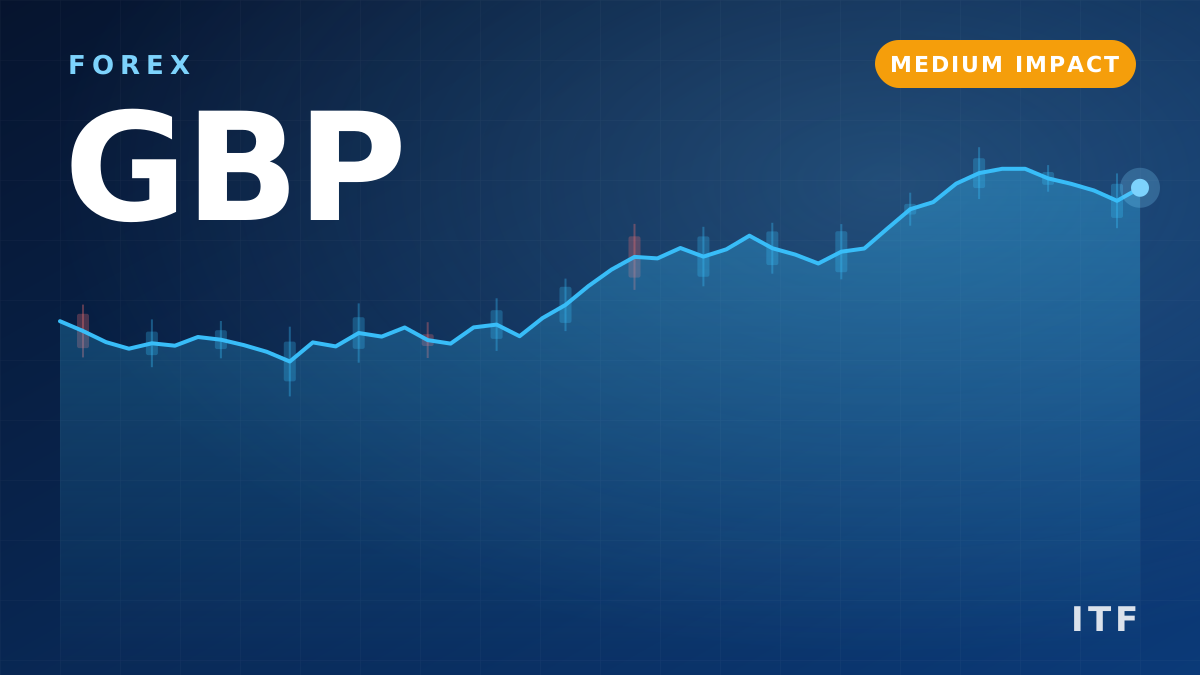
GBP/USD slipped below 1.3100, its lowest level in a year, on Nov 20 2026 after October retail sales rose 0.7% and US inflation expectations fell.
Key takeaways
- GBP/USD fell to just under 1.3100 on 11/20/2026, its lowest in 12 months.
- UK retail sales rose 0.7% in October, beating the forecast of no change.
- University of Michigan one‑year inflation expectations dropped to 3.7% from 4.3%.
- Traders now price an 80% chance of a BoE hike at the Dec 17 meeting, down from 90%.
The British pound slipped below the 1.3100 mark on 20 Nov 2026, its weakest level in a year, before edging back just above the threshold. The move was sparked by a stronger‑than‑expected UK retail‑sales report and a decline in US inflation expectations, which together put a temporary pause on the pound’s recent slide.
Retail sales lift and the pound’s brief rebound
October retail sales rose 0.7% month‑on‑month, outpacing the Office for National Statistics’ forecast of flat growth. The increase was attributed mainly to stock‑piling of tinned food and long‑life milk after the government’s “Be Ready” campaign, a factor that does not reflect underlying consumer demand. The data gave the pound a short‑lived bounce, but the price failed to break the midpoint of Thursday’s trading range after seven of the previous eight sessions ended in losses.
Technical indicators show the daily chart still near oversold territory. The 50‑day EMA sits just above 1.3300, while the 200‑day EMA is slightly under 1.3400. The only lower daily closes in the past 12 months occurred in November 2025, when the pair dipped just above 1.3000.
US inflation expectations and the Fed’s rate path
The University of Michigan’s survey showed one‑year US inflation expectations falling to 3.7% from 4.3%. That drop weakens the case for a half‑point Fed hike at the December 8‑9 meeting. Fed Governor Christopher Waller called for a 0.5‑percentage‑point increase, while Chicago Fed President Austan Goolsbee left a quarter‑point move on the table. A quarter‑point hike is already fully priced, which would bring the Fed funds rate to 4.00‑4.25%.
Traders now see a 75‑80% probability of a quarter‑point move and a 20‑25% chance of a half‑point hike, reflecting the mixed signals from US data and the Fed’s own forward guidance.
Read also: Bitcoin and gold slide as hawkish Fed expectations weigh
Bank of England expectations ahead of the Dec 17 meeting
The BoE’s policy rate sits at 4.00% and the next decision is scheduled for 17 Dec 2026. After the UK inflation release on 14 Nov, the market’s view of a BoE hike fell to about 80%, down from 90% earlier in the week. BoE Chief Economist Huw Pill will speak on 18 Nov, and the November PMI data are due on 19 Nov, both of which could reshape expectations.
If the PMI comes in stronger than expected, it could revive the case for a December hike, especially since Pill has hinted that rates may need to rise again in 2027 on top of any December move.
What traders should monitor next
Key upcoming releases include the UK November PMI (09:30 GMT, 19 Nov), BoE Pill’s remarks (13:00 GMT, 18 Nov), Fed Governor Cook’s speech (17:15 GMT, 20 Nov), and New York Fed President Williams on 21 Nov. In the US, the core PCE price index for October will be released on 25 Nov at 13:30 GMT, with a forecast of 3.2% YoY.
- Watch the 1.3150‑1.3000 zone for potential further downside if the pound fails to break above 1.3300.
- A break above 1.3400 could signal a reversal toward the 1.3500 high seen in early November.
- Momentum near the 50‑day EMA will be a key gauge of short‑term bias.
Frequently asked questions
Why did the pound fall to a 12‑month low despite stronger UK retail sales?
The retail‑sales surprise was offset by the fact that the increase came from government‑driven stock‑piling rather than genuine consumer demand, and US inflation expectations fell, weakening the case for a larger Fed hike and prompting traders to price a lower probability of a BoE rate rise.
What is the market’s current view on the BoE’s December rate decision?
After the UK inflation data, traders now assign about an 80% chance of a BoE hike at the 17 Dec meeting, down from roughly 90% earlier in the week.
Official data sources
Related news
- Bitcoin and gold slide as hawkish Fed expectations weigh
- Gold near $3,500 support as Fed outlook weighs on price
- Silver price forecast: XAG/USD eyes 200‑week SMA amid selling pressure
- Gold near $3,500 support as stocks tumble and crypto eyes regulation
More from ITF
- ITF trading signals for gold and forex
- Copy verified traders with ITF Copy Trading
- This week’s economic calendar
This article is compiled from international market news for information only. It is not investment advice.