UK inflation rises to 3.6% as petrol and diesel prices surge
 ITF Team2 min read
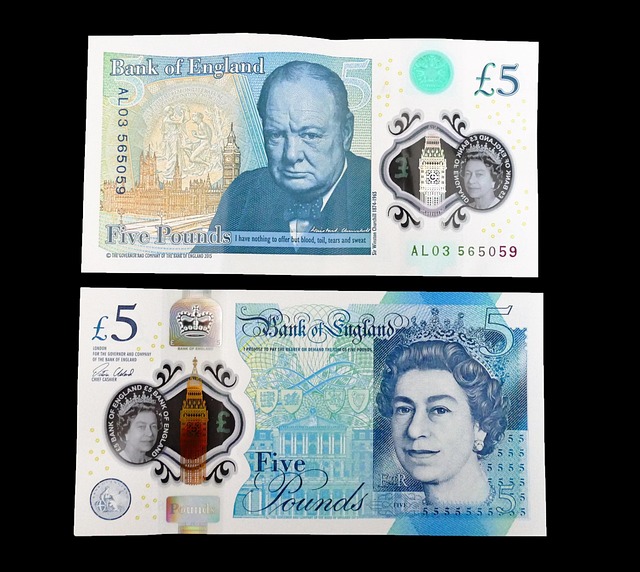
UK inflation hit 3.6% in October 2026, driven by a 5.2p/litre rise in petrol and record‑high diesel, according to ONS data released 18 Nov 2026.
Key takeaways
- Inflation in the UK rose to 3.6% year‑on‑year in October 2026, up from 3.5% in September, ONS reported on 18 Nov 2026.
- Petrol averaged 174.7p per litre in October, a 5.2p increase from September and the highest level since August 2022.
- Diesel hit 199.5p per litre in October, the highest price recorded in the 30‑year series.
- The Bank of England lifted its policy rate from 3.75% to 4% on 13 Nov 2026 and signalled another hike could follow.
The Office for National Statistics released figures on 18 November 2026 showing that UK consumer price inflation climbed to 3.6% in the year to October, up from 3.5% in September. The jump was largely attributed to higher fuel costs, with petrol and diesel prices hitting their strongest levels in years.
Fuel price shock lifts headline inflation
Petrol prices rose by 5.2 pence per litre between September and October, taking the average to 174.7 pence per litre – the highest level since August 2022. Diesel surged to 199.5 pence per litre, the highest reading in the 30‑year series compiled by the ONS. These increases fed directly into the headline CPI basket, pushing the overall rate higher.
The ONS also highlighted that the cost of raw materials and goods leaving factories continued to climb, driven by the same crude‑oil price dynamics that lifted fuel costs. While food price inflation slowed to 0.9% – the weakest pace in five years – the broader cost pressures from energy and industrial inputs outweighed the moderation in other categories.
Monetary policy response and fiscal relief
In response to the accelerating price pressures, the Bank of England raised its Bank Rate from 3.75% to 4% on 13 November 2026, its first hike in three years. The central bank warned that further increases are possible if the conflict in the Middle East, which has kept oil prices elevated, is not resolved.
On the fiscal side, Treasury chief Emma Reynolds announced a package aimed at cushioning household energy bills: VAT on electricity has been set to zero until July 2027 and a one‑off £100 payment will be made to 20 million households in January 2027. Nonetheless, analysts at Cornwall Insight project that total annual energy costs could still rise by £443 per household in 2027, bringing the average bill to £2,166.
Read also: Bitcoin drops below $63,000 as Fed governor warns of shock 50‑bp rate hike
Implications for the broader economy
Higher energy costs tend to filter through to other goods, potentially raising food and staple prices if firms pass on the expense. The Bank of England noted limited evidence of widespread pass‑through so far, with some companies absorbing the shock and accepting lower margins. However, the ONS warned that continued raw‑material cost growth could reignite broader inflationary pressures.
For traders, the data underscores the link between geopolitical risk, oil markets and UK inflation. With the Bank of England now in a tightening cycle, market participants will watch upcoming UK retail sales, as well as oil price movements, for clues on whether inflation will stay above the 2% target.
- Watch UK retail sales data due 5 December 2026
- Monitor Brent crude prices for further fuel‑cost impact
- Follow BoE minutes for guidance on a possible second rate hike
Frequently asked questions
Why did UK inflation rise to 3.6% in October 2026?
The ONS said the rise was driven mainly by higher petrol and diesel prices – petrol hit 174.7p per litre and diesel reached a 30‑year high of 199.5p per litre – which pushed the headline CPI up despite slower food price growth.
What monetary policy actions has the Bank of England taken in response?
On 13 Nov 2026 the Bank of England raised its policy rate from 3.75% to 4%, its first increase in three years, and signalled that another hike could follow if oil‑price‑driven inflation remains elevated.
Official data sources
Related news
- Bitcoin drops below $63,000 as Fed governor warns of shock 50‑bp rate hike
- Fed's Waller says 50‑bp rate hike may be needed in December, tokenized finance still needs banks
- Pound hits five‑week low as UK CPI miss meets Fed hike expectations
- Bitcoin and gold fall ahead of Fed minutes
More from ITF
- ITF trading signals for gold and forex
- Copy verified traders with ITF Copy Trading
- This week’s economic calendar
This article is compiled from international market news for information only. It is not investment advice.