US consumer confidence index rises to 103.3 in November
 ITF Team3 min read
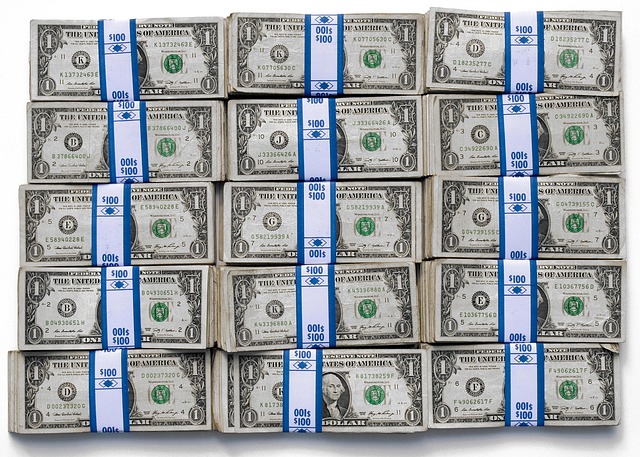
US consumer confidence jumped to 103.3 in November, its highest since Jan 2025, pushing the dollar below 104.00 and weighing on gold.
Key takeaways
- The Conference Board’s Consumer Confidence Index rose to 103.3 in November 2026, up from 91.9 in October.
- USD slipped below the 104.00 support level on 24/11/2026 as confidence data boosted risk appetite.
- Gold (XAU/USD) retreated toward $3,600 after the confidence surprise, reflecting a risk‑off tilt.
- Traders now look to US PCE price index on 27/11/2026 and Australian inflation data for the next directional cue.
The Conference Board reported that US consumer confidence climbed to 103.3 in November 2026, a sharp rise from the revised 91.9 reading in October. The jump marks the strongest confidence level since January 2025 and sparked a noticeable pull‑back in the US dollar, which fell through the 104.00 support level on Tuesday.
How the confidence surge moved the dollar and gold
The headline index’s improvement lifted sentiment toward the labour market and future business conditions, prompting traders to shift away from the safe‑haven status of the greenback. The USD, which normally benefits from risk‑off flows, lost momentum and broke below 104.00, a technical barrier that had held since early November. At the same time, gold (XAU/USD) struggled to extend its recent gains, sliding toward $3,600 as risk‑averse investors trimmed exposure to precious metals.
The move reflects a classic mechanism: higher consumer confidence signals stronger domestic demand, which can support economic growth and eventually lead to tighter monetary policy. When the market anticipates that the Federal Reserve may keep rates higher for longer, the dollar often rallies. In this case, the confidence surprise was interpreted as a short‑term boost to growth that reduced immediate inflation worries, prompting a modest dollar sell‑off.
Drivers behind the November confidence reading
Fergus McCormick, senior economist at The Conference Board, attributed the rally to reduced uncertainty after the US mid‑term elections and a two‑month streak of rising confidence. He highlighted that consumers now see a healthier labour market and brighter business outlook, which also nudged planned spending on goods and vacations upward.
The data arrived amid a backdrop of mixed macro signals. While US inflation has been easing, the Federal Reserve remains on a tightening path, with quantitative tightening (QT) still in force. At the same time, geopolitical tension in the Middle East and talk of new US tariffs on China added a layer of caution, limiting the upside for risk assets.
Currency pair reactions and technical context
Beyond the dollar’s breach of 104.00, other pairs echoed the sentiment shift. AUD/USD held above 0.6600, buoyed by a recovery in risk appetite after NVIDIA’s CEO Jensen Huang returned to the helm, while USD/JPY hovered near 159.00 as the yen gained on intervention expectations and the broader dollar retreat.
Technical charts show the USD losing its short‑term bullish momentum. The 104.00 level had acted as both a psychological and a moving‑average support. Its breach could open the door to further declines toward the 102.50‑102.00 range if downside pressure persists.
What traders should monitor next
The next catalyst will be the US Personal Consumption Expenditures (PCE) price index due on 27 November 2026. A higher‑than‑expected PCE could reignite inflation concerns and push the Fed toward a more hawkish stance, potentially reviving the dollar.
In the commodities space, gold’s ability to hold above $3,600 will be tested against the backdrop of US equity futures, which remain bearish. A sustained move below $3,600 could signal a broader risk‑off wave, while a rebound would suggest that the confidence boost is being priced into equities rather than safe‑haven assets.
- USD/JPY near 159.00 – watch for yen intervention signals
- AUD/USD above 0.6600 – linked to AI‑related risk appetite
- Gold (XAU/USD) $3,600 – key support level after confidence data
- US PCE price index 27/11/2026 – next inflation gauge
Frequently asked questions
Why did the US dollar fall after the consumer confidence data?
The confidence index rose to 103.3, indicating stronger consumer spending and labour market expectations. Traders interpreted the data as a short‑term growth boost that reduced immediate inflation worries, prompting a sell‑off of the safe‑haven dollar and a break below the 104.00 support level.
How does consumer confidence affect gold prices?
Higher confidence usually lifts risk appetite, pulling money away from safe‑haven assets like gold. After the confidence surprise, gold (XAU/USD) slipped toward $3,600 as investors trimmed exposure to precious metals in favor of equities and other riskier assets.
What upcoming data could reverse the dollar’s weakness?
The US Personal Consumption Expenditures (PCE) price index on 27 November 2026 is the next major inflation gauge. A reading above expectations could revive concerns about price pressures, encouraging the Fed to stay tight and potentially supporting the dollar again.
Official data sources
More from ITF
This article is compiled from international market news for information only. It is not investment advice.