US dollar climbs above 102.20 as hot CPI fuels Fed hike odds
 ITF Team3 min read
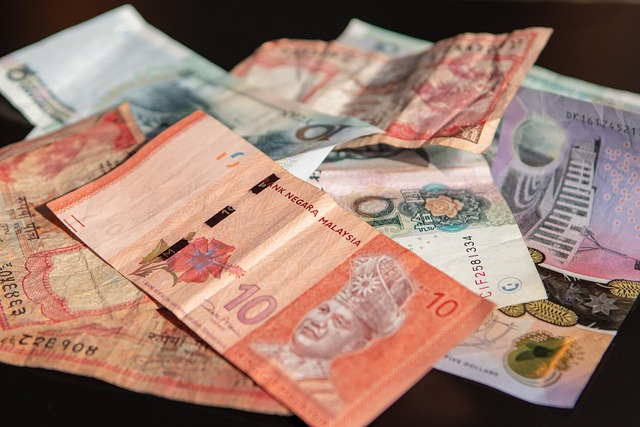
The dollar index rose to 102.22 on Nov 11, 2026 after October CPI beat expectations, pushing Fed hike odds to 91.9% and pressuring EUR/USD and GBP/USD lower.
Key takeaways
- The US dollar index (DXY) traded at 102.22 on Nov 11, 2026, above its 102.21 pivot.
- October CPI rose 0.4% month‑over‑month, outpacing the 0.3% forecast.
- CME FedWatch showed a 91.9% probability of a 0.25% Fed rate hike in December, up from 84% the day before.
- EUR/USD slipped to 1.1158, below the 1.1170 pivot, while GBP/USD fell to 1.3339, breaking its rising trendline.
On Nov 11, 2026 the US dollar index surged past the 102.20 level, reaching 102.22 after a hotter‑than‑expected October consumer price index (CPI) and hawkish comments from Federal Reserve officials. The move lifted market expectations for a December quarter‑point rate hike to 91.9%, reviving the dollar’s two‑week high.
Why CPI and Fed comments pushed the DXY higher
October CPI rose 0.4% month‑over‑month, beating the 0.3% consensus. The surprise lifted short‑term Treasury yields, with the two‑year note jumping 19 basis points to 4.738%. Fed Governor Christopher Waller’s explicit call for a rate increase added to the bullish bias for the greenback. CME’s FedWatch tool reflected the shift, showing a 91.9% chance of a 0.25% hike at the Dec 9 meeting, up from 84% the previous day.
Standard Chartered’s Steve Englander noted that the dollar had been largely an oil trade since the U.S. mid‑term elections, but the CPI data redirected focus to monetary policy. MUFG analysts added that any progress in U.S.–Iran talks would be needed to keep energy prices low and ease pressure on the dollar.
Technical picture of the dollar index
On the 2‑hour chart the DXY bounced from the 101.48 area and reclaimed the 102.21 pivot, a key ceiling derived from the prior session’s high, low and close. The index sits above both moving averages and the RSI is near 65, indicating buying strength. Immediate resistance lies at 102.50, with a next barrier at 102.79. Support is anchored at 102.21 and then 101.95.
If the DXY closes above 102.50, the next target would be 102.79. Conversely, a break back below 102.21 could re‑establish the level as a ceiling and pull the index toward 101.95.
Read also: Evening market overview: Fed hike fuels dollar, gold stalls under $4,050
Impact on major pairs: EUR/USD and GBP/USD
The euro fell to around $1.1158, slipping below the 1.1170 pivot and both moving averages. The pair’s RSI is near 38, below its signal line, suggesting a bearish bias. Support sits at 1.1131, then 1.1105, while resistance is at 1.1170 and 1.1195. A close under 1.1131 would open the next lower zone at 1.1105.
The pound traded near 1.3339 after breaking a rising trendline that had held since late October. It now sits under the 1.3355 pivot, with RSI around 35, indicating sellers have the edge. Support is at 1.3312, then 1.3272; resistance at 1.3355 and 1.3392. A close below 1.3312 would trigger a move toward 1.3272.
What traders should watch next
Key data releases this week include U.S. producer price index on Friday and the UK’s Q3 GDP figures on Thursday. In Europe, the ECB’s December policy meeting will be closely monitored; chief economist Philip Lane hinted a hike to 2.75% could be on the table if inflation remains elevated. For the pound, BoE Deputy Governor Clare Lombardelli’s comments suggest another possible hike in December, adding further upside risk for GBP/USD if the market perceives a tightening bias.
- Oct CPI: +0.4% MoM (vs. 0.3% forecast)
- 2‑yr Treasury yield: 4.738% (up 19 bps)
- Fed hike odds (Dec): 91.9% (CME FedWatch)
- DXY level: 102.22 (above 102.21 pivot)
- EUR/USD: 1.1158 (below 1.1170)
- GBP/USD: 1.3339 (below 1.3355)
Frequently asked questions
Why did the US dollar index rise above 102.20 on Nov 11, 2026?
The index jumped to 102.22 after October CPI came in at 0.4% month‑over‑month, beating the 0.3% estimate, and after Fed Governor Christopher Waller signaled a likely rate hike. The surprise boosted short‑term Treasury yields and lifted market odds of a December Fed hike to 91.9%.
How did the CPI surprise affect EUR/USD and GBP/USD?
Higher US inflation increased expectations of tighter Fed policy, strengthening the dollar and pulling EUR/USD down to 1.1158 and GBP/USD to 1.3339. Both pairs slipped below key pivots (1.1170 for EUR and 1.3355 for GBP) and broke short‑term trendlines, indicating a bearish bias.
Official data sources
Related news
- Evening market overview: Fed hike fuels dollar, gold stalls under $4,050
- CPI boost fuels Fed hike bets as Nvidia slides and UK GDP looms
- Gold extends gains beyond $4,050 as Fed hike bets lift USD
- US core PCE range guidance after October inflation data
More from ITF
- ITF trading signals for gold and forex
- Copy verified traders with ITF Copy Trading
- This week’s economic calendar
This article is compiled from international market news for information only. It is not investment advice.