Usd advances further on fed tightening bets, euro hits 19‑month low
 ITF Team2 min read
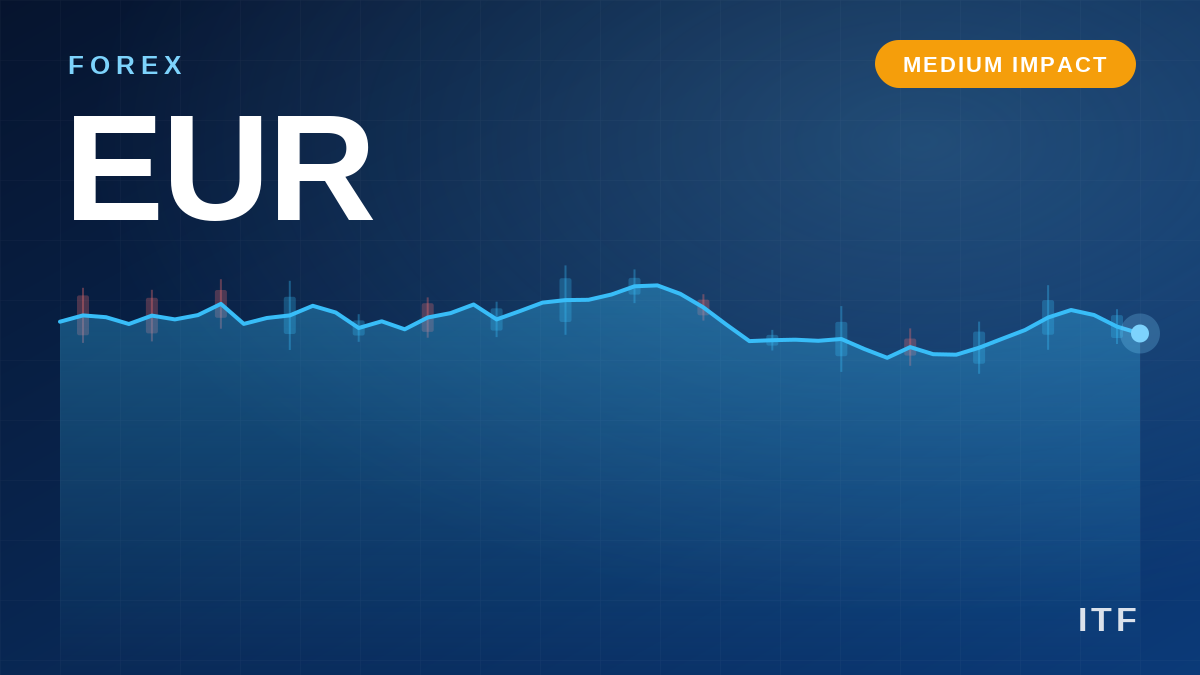
Usd climbs past 1043 as Fed tightening expectations rise, euro slides below 1.0900 to a 19‑month low on Nov 23, 2026.
Key takeaways
- Usd index (DXY) broke above 1043.00 on 11/23/2026, its highest since March 2025.
- Euro fell below 1.0900 on 11/23/2026, marking a 19‑month trough.
- Gold recovered to around $3,700 per ounce despite a stronger dollar on 11/23/2026.
- Wti crude briefly slipped below $80 per barrel as Libyan supply resumed on 11/23/2026.
The US dollar surged on November 23, 2026, pushing the DXY past the 1,043.00 mark – a level not seen since March 2025 – as market participants priced in a higher probability of additional Federal Reserve rate hikes. The rally was reinforced by a sharp rebound in US equities following positive news from Nvidia, adding further momentum to the greenback.
Dollar strength fuels currency pair declines
EUR/USD deepened its downtrend, slipping below the psychologically important 1.0900 barrier and setting a fresh 19‑month low. The euro’s weakness reflects both the dollar’s rally and growing concerns that the European Central Bank may lag behind the Fed in tightening policy. GBP/USD also faced fresh selling pressure, testing the key 1.3000 support zone as the pound struggled against a stronger dollar and upcoming BoE speech by Governor Greene.
USD/JPY managed to claw back part of Friday’s losses, hovering around the 159.50 level. The yen’s partial recovery was limited by lingering uncertainty over the Bank of Japan’s next rate move, while the dollar’s resilience kept the pair near recent highs.
Commodities react to the dollar and supply dynamics
Gold showed a modest bounce, trading near $3,700 per troy ounce as bargain hunters entered the market despite the dollar’s strength and rising US Treasury yields. The precious metal’s rebound appears driven more by price‑level buying than by a shift in real yields.
Front‑month WTI crude futures (January contract) briefly pierced the $80.00 barrier, touching three‑month lows as supply from the Middle East increased and Libya’s Sharara field resumed production. The dip underscores how geopolitical supply shocks continue to dominate oil pricing.
Read also: US services PMI miss and easing price pressures in November 2026
Upcoming data and events to watch
Traders will monitor the ADP Employment Change report later in the day, followed by the FHFA House Price Index and the Conference Board Consumer Confidence data, all of which could influence Fed expectations. In Europe, the German IFO Business Climate index and an ECB speech by Vujcic are slated for the next session, while the UK awaits the CBI Distributive Trades survey ahead of BoE Governor Greene’s remarks.
- US: ADP Employment Change, FHFA House Price Index, Conference Board Consumer Confidence
- Eurozone: German IFO Business Climate, ECB Vujcic speech
- UK: CBI Distributive Trades, BoE Greene speech
- Australia: Inflation Rate (Nov 25), Construction Work Done
- Oil: Libyan Sharara field activity, Middle‑East supply
Frequently asked questions
Why did the dollar rise above 1,043 on November 23, 2026?
The dollar broke the 1,043 level as traders priced in a higher likelihood of another Federal Reserve rate hike, a reaction to Nvidia‑related equity gains and persistent expectations of a tighter‑for‑longer monetary stance.
What caused euro to slip below 1.0900?
The euro fell under 1.0900 because the dollar’s surge made the pair more vulnerable, and investors fear the ECB may not tighten as aggressively as the Fed, leaving the euro on the defensive.
Official data sources
Related news
- US services PMI miss and easing price pressures in November 2026
- Gold $3,500 test and crypto rebound shape market overview
- Germany manufacturing PMI jumps to 55.0 in November
- Eurozone services PMI 51.2 in November misses forecast
More from ITF
- ITF trading signals for gold and forex
- Copy verified traders with ITF Copy Trading
- This week’s economic calendar
This article is compiled from international market news for information only. It is not investment advice.