Usd/cad softens ahead of us retail sales data
 ITF Team3 min read
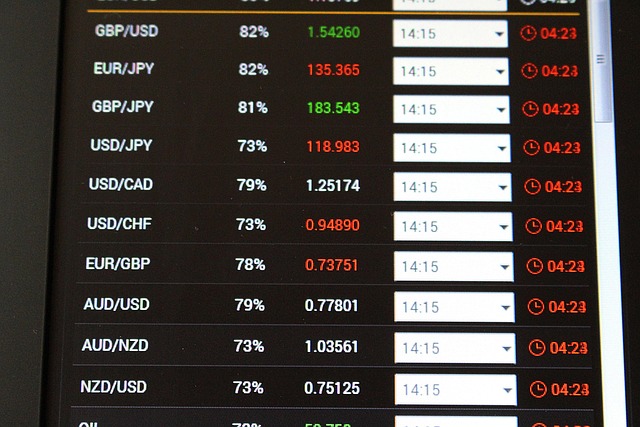
Usd/cad hovers near 1.4300 as cooler canadian inflation and lower oil prices weigh on the loonie, with US retail sales due on 11/17/2026.
Key takeaways
- Canadian CPI rose 3.1% YoY in October 2026, below the 3.2% forecast.
- Crude oil market is projected to be in oversupply in Q4 2026, pressuring CAD.
- Usd/cad traded around 1.4300 in early European session on 11/17/2026.
- US October retail sales are expected to rise 0.2% MoM, a key driver for the greenback.
The usd/cad pair edged higher to around 1.4300 in early European trading on Tuesday, 17 November 2026, as softer Canadian inflation and a slip in crude oil prices pulled the loonie lower. Traders are now focused on the US October retail sales report due later in the day, which could add further momentum to the dollar.
Canadian inflation misses the mark, easing rate‑tightening expectations
Statistics Canada released the October consumer price index on Monday, showing a 3.1% year‑on‑year increase – one tenth of a percentage point below the 3.2% consensus. On a month‑on‑month basis, CPI rose 0.2% from September’s 0.1%, also shy of the 0.3% market estimate. The miss dampened expectations that the Bank of Canada will accelerate its tightening cycle, leaving the prospect of a 15‑basis‑point hike in December as the only priced‑in surprise.
Analysts at ING noted that the widening interest‑rate differential between the United States and Canada has already pushed usd/cad close to the October intraday high of 1.430. Even though the loonie outperformed other G10 currencies over the past week, the softer inflation data reduces the near‑term upside for the CAD, keeping the pair in a bullish bias for the greenback.
Oil price pressure adds a tailwind for the dollar
Crude oil prices have slipped after the International Energy Agency warned that global supply will exceed demand by more than 1.7 million barrels per day in Q4 2026, reversing its earlier deficit outlook. Canada, as a major oil exporter, feels the impact directly: lower oil revenues diminish the trade‑balance surplus and weaken the loonie.
The combination of weaker inflation and falling oil prices created a clear tailwind for usd/cad, allowing the pair to test the 1.430 level despite the loonie’s recent outperformance against other majors.
Read also: Gold finds floor as Fed rate expectations rise
Technical picture: bullish bias but overbought warning
On the daily chart usd/cad sits above both the 20‑period Bollinger middle band and the 100‑day moving average, signalling a short‑term bullish trend. The price is hugging the upper Bollinger band near 1.4330, while the 14‑period RSI sits at 69.3, flirting with overbought territory.
If the pair breaks cleanly above 1.4330, the next resistance target is around 1.450, a level that has acted as a ceiling earlier in the year. On the downside, the day’s open at 1.4300 serves as immediate support, with deeper cushions at the mid‑Bollinger band (≈1.4095) and the 100‑day average (≈1.4045). Traders will watch these zones closely as the US retail sales data approaches.
US retail sales: the next catalyst
Economists forecast a 0.2% month‑on‑month increase in US retail sales for October, a key gauge of consumer spending. A stronger‑than‑expected reading could reinforce the dollar’s momentum, while a miss might give the loonie a chance to recover if the Fed’s tightening bias eases.
Fed Governor Christopher Hammack’s recent remarks underscored a cautious hawkish stance, with a Speechtracker score of 7.1/10. Although slightly softer than the historical average, his emphasis on “steady, slow rate‑hike increments” keeps the overall tone firmly in tightening territory, supporting the greenback.
- Key levels to watch: 1.4330 (upper Bollinger resistance), 1.450 (next major ceiling)
- Support zones: 1.4300 (day open), 1.4095 (mid‑Bollinger), 1.4045 (100‑day MA)
- Upcoming data: US retail sales (Oct) due 17 Nov 2026, BoC decision expected in Dec 2026
Frequently asked questions
Why did canadian inflation miss expectations in October 2026?
The October CPI rose 3.1% year‑on‑year, below the 3.2% forecast, and month‑on‑month growth was 0.2% versus the expected 0.3%. The modest rise suggests less pressure on the Bank of Canada to accelerate rate hikes, which in turn weakened the loonie.
How does the oil market affect usd/cad?
Canada’s economy relies heavily on oil exports. The IEA’s projection of a Q4 2026 global oversupply pushes crude prices lower, reducing Canada’s trade‑balance surplus and putting downward pressure on the CAD, thereby supporting usd/cad.
Official data sources
Related news
- Gold finds floor as Fed rate expectations rise
- Dollar index fades from 19‑month high after retail sales spike
- Lisa Cook will not attend Trump committee hearing, lawyer says
- Gold volatile near term on Fed outlook
More from ITF
- ITF trading signals for gold and forex
- Copy verified traders with ITF Copy Trading
- This week’s economic calendar
This article is compiled from international market news for information only. It is not investment advice.