USD dollar weakness fuels gold rebound on Nov 27, 2026
 ITF Team3 min read
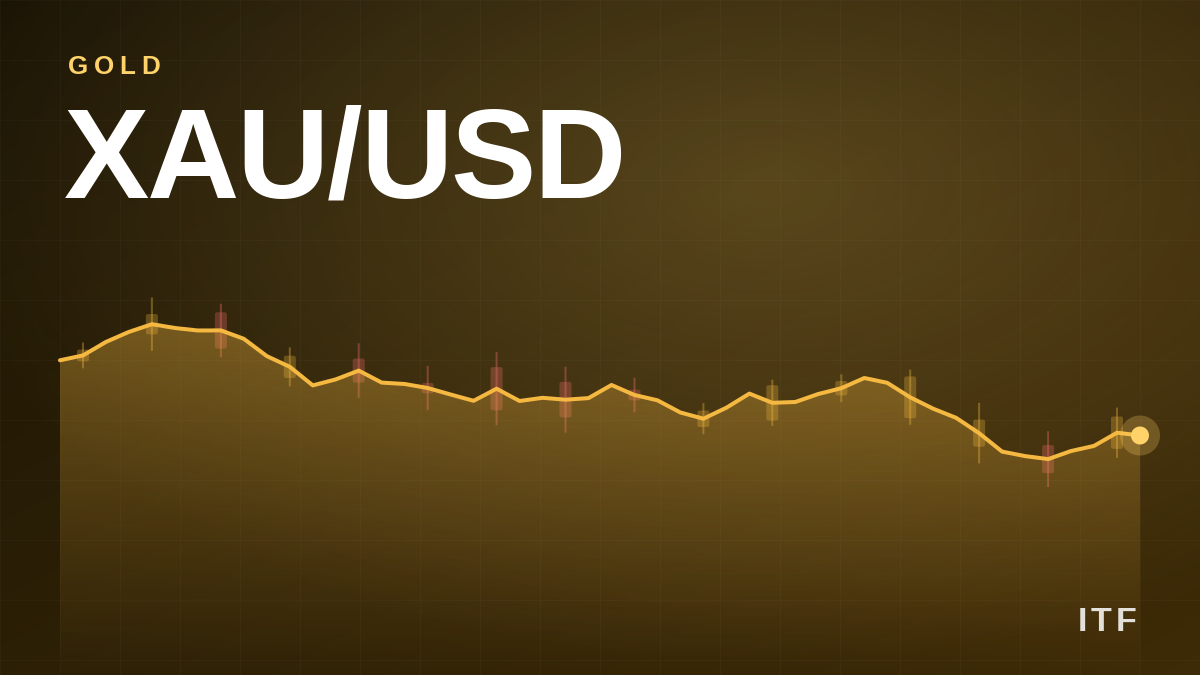
On Nov 27, 2026 the USD index slipped below 103.70 while gold rose above $3,650, extending a 2% daily gain as traders digest ECB minutes and Japan inflation data.
Key takeaways
- The USD index traded below 103.70 on Nov 27, 2026, reflecting thin demand after Thanksgiving.
- Gold rose more than 2% on Nov 27, 2026, trading above $3,650 per ounce.
- EUR/USD hovered around 1.0970 in a tight range on Nov 27, 2026 after hawkish ECB minutes.
- NZD/USD was near 0.5490, up 0.35% on the day, following New Zealand’s election results.
The U.S. dollar lost ground on Friday, Nov 27, 2026, slipping below the 103.70 level on the USD index as market participants emerged from the Thanksgiving holiday with a lighter appetite for the greenback. The dip helped lift gold, which surged more than 2% to trade above $3,650 per ounce, extending the metal’s rebound from a 15‑month low.
Dollar weakness and currency moves
The USD index’s marginal gains on Thursday evaporated early Friday, leaving the basket of six major currencies in a narrow down‑trend. The Canadian dollar posted the biggest weekly gain against the greenback, while the euro stayed near 1.0970 after the European Central Bank’s October minutes hinted at further tightening. In the Asian session, GBP/USD climbed above 1.3100, benefiting from the dollar’s softness, and NZD/USD corrected lower to around 0.5490, still up 0.35% on the day after New Zealand’s election left the governing coalition one seat short of a majority.
USD/JPY traded in a tight band just above 159.00 following Tokyo’s consumer price index, which rose 2.8% year‑on‑year in November, the fastest pace since July 2025. The data kept the yen relatively firm despite the broader dollar weakness, and market focus now shifts to BoJ Governor Ueda’s speech on Monday for clues on the December rate‑hike decision.
Gold’s rally amid safe‑haven demand
Gold’s price climbed above $3,650, gaining more than 2% on the day. The metal’s rally is closely tied to the dollar’s pullback; a weaker greenback reduces the cost of gold priced in USD, while the broader risk‑on tone in U.S. equity futures—Nasdaq futures rose between 0.9% and 2.5%—supports a shift toward safe‑haven assets.
Analysts note that gold’s inverse relationship with both the dollar and U.S. Treasuries makes it sensitive to any change in monetary policy expectations. With the Fed’s hawkish bets still in play but the dollar losing momentum, the metal found room to extend its recovery from the 15‑month trough, though technicals still show a bearish bias.
Read also: Japanese yen inflation supports expected December rate hike
European central bank dynamics
The ECB’s October meeting minutes revealed that many policymakers would have backed an additional rate hike, reinforcing a narrative of continued tightening. Although the euro’s reaction was muted—EUR/USD posted small losses—the minutes helped push front‑end Eurozone yields higher, as Deutsche Bank highlighted the “hawkish undertones.”
The European Council also announced that Pablo Hernández de Cos will succeed Christine Lagarde as ECB President on 7 Feb 2027, signalling a leadership transition that could influence future policy direction. Traders will watch the ECB’s next meeting for clues on whether the tightening cycle will extend into 2027.
What to watch next
Key data on Friday include the European Commission’s business and consumer sentiment releases for November, which could affect risk sentiment and the euro. In the U.S., the only economic number on the calendar is the preliminary October goods trade balance, a gauge of export strength that may influence the dollar’s short‑term trajectory.
- US goods trade balance (preliminary, Oct) – Friday
- EU business sentiment – Friday
- EU consumer sentiment – Friday
- BoJ Governor Ueda’s speech – Monday
Frequently asked questions
Why did gold rise above $3,650 on Nov 27, 2026?
Gold’s advance was driven by a weaker USD index that fell below 103.70, reducing the dollar price of the metal. The safe‑haven demand also rose as risk sentiment shifted after the Thanksgiving break, while the dollar’s thin liquidity on Black Friday limited buying pressure.
How did the ECB minutes affect the euro on Nov 27, 2026?
The minutes showed that many ECB members could have supported an October rate hike, reinforcing a hawkish tone. This nudged front‑end Eurozone yields higher but left EUR/USD largely unchanged, trading in a tight range around 1.0970.
Official data sources
Related news
- Japanese yen inflation supports expected December rate hike
- Silver price nears $43.75 as US dollar corrects
- Usd/jpy weakens after softer Tokyo cpi inflation data
- Gold near $3,550 as Fed rate‑hike expectations rise
More from ITF
- ITF trading signals for gold and forex
- Copy verified traders with ITF Copy Trading
- This week’s economic calendar
This article is compiled from international market news for information only. It is not investment advice.