USD/INR rebounds near 92.95 as HSBC PMI strengthens
 ITF Team2 min read
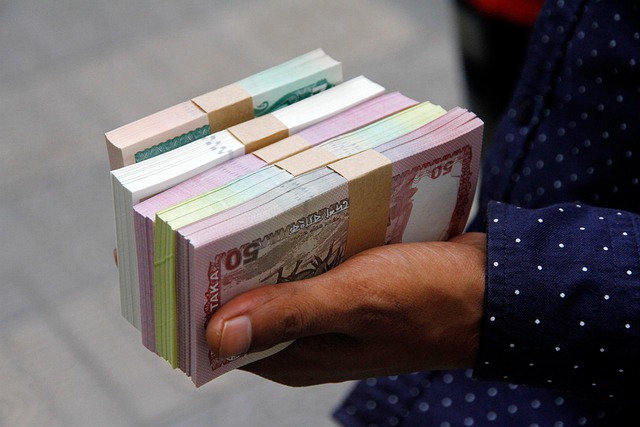
USD/INR climbed back to around 92.95 on 11/23/2026 after touching a seven‑month low of 92.44, supported by strong HSBC Composite PMI and FII buying.
Key takeaways
- USD/INR rose to about 92.95 on 11/23/2026 after a dip to 92.44.
- HSBC Composite PMI for November was 56.3, up from 56.2 in October.
- FIIs bought a net Rs 1,11,949.39 crore in Indian equities in November so far.
- Commerzbank expects RBI to raise rates 25 bps in December and another 25‑50 bps in H1 2027.
The Indian rupee struggled to extend its prior week’s gains on Monday, 11/23/2026, as the USD/INR pair reclaimed ground after briefly touching a seven‑month low of 92.44 and moved back up to near 92.95. The rebound reflects a mix of domestic data, foreign inflows and expectations of tighter monetary policy in India.
Domestic data lifts sentiment: HSBC PMI shows robust activity
India’s HSBC Composite Purchasing Managers’ Index (PMI) for November came in at 56.3, slightly higher than the October final reading of 56.2. The improvement was driven by a strong Manufacturing PMI, which rose to 56.0 from 54.7, indicating accelerating output and new orders. Services PMI eased to 55.3, but remained well above the 50‑point growth threshold.
A PMI above 50 signals expanding activity and is generally bullish for the rupee, as it suggests healthier corporate earnings and stronger demand for financing. HSBC’s chief India economist noted that manufacturing momentum was supported by domestic demand, while input‑cost inflation stayed modest, helping maintain profit margins.
Foreign inflows keep the rupee buoyant
Foreign Institutional Investors (FIIs) have remained net buyers of Indian equities throughout November, adding a cumulative Rs 1,11,949.39 crore to their holdings. Continuous buying reflects confidence in Indian assets despite a global AI‑driven sell‑off, and provides a supportive backdrop for the rupee.
The inflow of foreign capital tends to increase demand for the domestic currency, offsetting short‑term weakness in the USD/INR pair and contributing to the rupee’s resilience amid broader market volatility.
Read also: Gold $3,500 test and crypto rebound shape market overview
Monetary‑policy expectations anchor the INR
Commerzbank analysts point to a tightening inflation backdrop in India, where price pressures have breached the RBI’s 6 % upper limit. They forecast that the Reserve Bank of India is likely to raise its policy rate by 25 basis points in December and another 25‑50 bps in the first half of 2027, targeting a terminal repo rate of 6‑6.25 %.
Higher rates are expected to anchor inflation expectations and support the rupee against its peers, especially as global rates remain elevated and the U.S. dollar stays near multi‑year highs.
Technical picture: bearish bias but oversold
On the daily chart, USD/INR traded at 92.95, well below the 20‑day exponential moving average (EMA) of 93.95, reinforcing a short‑term bearish bias. The Relative Strength Index (14) sat at 27, indicating oversold conditions that could temper further declines but have not yet sparked a clear rebound.
Key technical levels include resistance at the 20‑day EMA around 93.95 and support at the April 8 low of 92.22. A close above 93.95 would be needed to shift momentum, while a break below 92.22 could open the path to deeper weakness.
- Current price: ~92.95
- 20‑day EMA resistance: 93.95
- Major support: 92.22 (April 8 low)
- RSI (14): 27 (oversold)
Frequently asked questions
Why did USD/INR rise back to 92.95 on 11/23/2026?
The pair recovered after hitting a seven‑month low of 92.44 because strong HSBC Composite PMI data, continued FII buying of Indian equities and expectations of RBI rate hikes reinforced demand for the rupee.
What does the HSBC Composite PMI indicate for the rupee?
A PMI reading of 56.3 in November signals expanding manufacturing and services activity, which is typically supportive of the rupee as it suggests healthier corporate earnings and stronger domestic demand.
What technical level could reverse the current bearish bias?
A daily close above the 20‑day EMA near 93.95 would be required to ease bearish pressure; failure to hold above this level would keep the downside bias in place.
Official data sources
Related news
- Gold $3,500 test and crypto rebound shape market overview
- Germany manufacturing PMI jumps to 55.0 in November
- Eurozone services PMI 51.2 in November misses forecast
- Gold recovers to $3,600 as softer dollar fuels safe‑haven demand
More from ITF
- ITF trading signals for gold and forex
- Copy verified traders with ITF Copy Trading
- This week’s economic calendar
This article is compiled from international market news for information only. It is not investment advice.