Venezuela oil recovery faces new congressional scrutiny after US midterms
 ITF Team2 min read
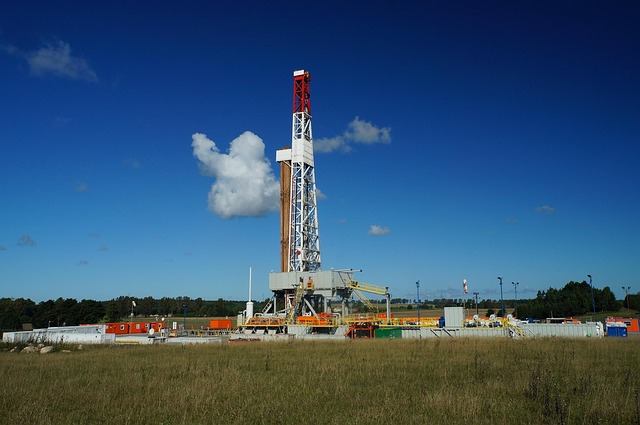
Venezuela could lift output to 1.5 million bpd by 2028, but Democratic control of Congress may delay 0.5 million bpd of greenfield projects past 2040, Rystad Energy says.
Key takeaways
- Venezuela’s crude output is projected to rise from 1.2 million bpd in Oct 2026 to about 1.5 million bpd by 2028.
- Democratic control of both US chambers could push back up to 0.5 million bpd of potential production beyond 2040.
- Near‑term growth relies on brownfield work such as well re‑activations, which are not subject to new congressional approvals.
Rystad Energy estimates that Venezuela’s oil output could increase from roughly 1.2 million barrels per day (bpd) in October 2026 to about 1.5 million bpd by 2028, a gain of 300,000 bpd. The projection comes after the Democratic victory in the 2026 US midterm elections, which gave the party control of both the House and the Senate and heightened congressional scrutiny of foreign‑oil projects.
Near‑term recovery driven by brownfield activity
The short‑run boost is anchored in brownfield work – re‑activating shut wells, workovers and infill drilling. These activities have short lead times and do not require fresh licences, allowing production to rise without waiting for congressional approval. As a result, the 300,000 bpd increase expected by 2028 is seen as relatively insulated from the new political environment in Washington.
Sanctions and licensing remain under the executive branch of the US Treasury’s Office of Foreign Assets Control (OFAC). Because the Democratic Congress cannot directly alter those licences, the immediate oil‑recovery path is unlikely to be derailed by the midterm outcome.
Long‑term upside threatened by heightened scrutiny
Rystad’s upside scenario envisions Venezuelan output approaching 3 million bpd by 2040, assuming strong oil prices and continued policy support. The new sensitivity analysis adds that increased congressional oversight could delay greenfield projects by one to three years, pushing roughly 0.5 million bpd of that potential output beyond 2040.
Greenfield developments require large capital commitments, new contracts and longer regulatory clearances. Democratic lawmakers have already questioned the selection of North American Blue Energy Partners (NABEP) and its three participation contracts, which lifted output from about 90,000 bpd at the end of 2024 to nearly 200,000 bpd today. Such scrutiny signals a broader willingness to examine the legal basis of foreign‑investment deals in Venezuela.
Read also: Heating oil prices jump 59% from last winter, crushing Maine households
Export shifts and market realities
Since the political reset in January, Venezuela’s crude has increasingly flowed to the United States and India, together accounting for roughly 75 % of its exports. India’s complex refineries can handle the heavy, high‑sulfur Merey grade, while the United States has eased restrictions on Venezuelan oil relative to Russian crude.
Nevertheless, the Merey grade is thicker and more costly to process than Russia’s Urals, and higher shipping costs to Asia diminish its competitiveness. The export mix therefore reflects both geopolitical pressure on Russian buyers and the technical constraints of Venezuela’s flagship crude.
What traders should monitor
Key levels to watch include the 1.5 million‑bpd output target for 2028 and the 3 million‑bpd upside for 2040. Any congressional hearings, OFAC licence adjustments or new legislation affecting foreign‑oil investments could create short‑term volatility in Venezuelan‑linked equities and the broader oil market.
- Oct 2026: 1.2 million bpd (baseline)
- 2028 target: ~1.5 million bpd
- 2040 upside: ~3 million bpd (subject to delay)
- Potential delay: 0.5 million bpd beyond 2040
Frequently asked questions
How does the US midterm result affect Venezuela’s oil output?
The Democratic win gives Congress more oversight of foreign‑oil deals, which could delay greenfield projects that account for about 0.5 million bpd of the 2040 upside. Near‑term brownfield work, however, is largely insulated because it does not need new licences.
What is the main driver of Venezuela’s production growth through 2028?
Brownfield activity – re‑activating existing wells, workovers and infill drilling – provides the short‑term lift from 1.2 million to about 1.5 million bpd and does not depend on new congressional approvals.
Official data sources
Related news
- Heating oil prices jump 59% from last winter, crushing Maine households
- Ecuador biodiversity financing meets oil expansion plans
- Iran prepares zero‑oil‑revenue budget as exports dry up
- WTI falls below $85 on Ukraine peace hopes and US inventory build
More from ITF
This article is compiled from international market news for information only. It is not investment advice.