Middle east war wipes 2.8 billion barrels off global oil supply
 ITF Team3 min read
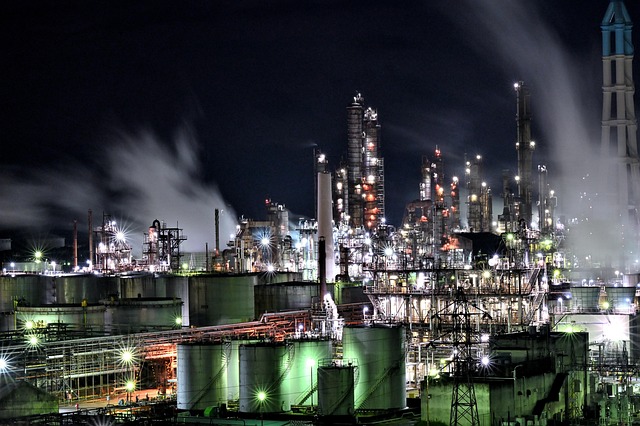
The IEA says the Middle East conflict has removed 2.8 billion barrels of oil and 60 billion m³ of gas, reshaping demand outlook and future flow through Hormuz.
Key takeaways
- The International Energy Agency estimates the war has cut 2.8 billion barrels of oil from global supply.
- IEA’s “Additional Response Case” forecasts oil demand could fall 4 million barrels per day by 2035 versus the policy scenario.
- Flows through the Strait of Hormuz could drop from 20 million bpd today to 8.5 million bpd by 2030 and under 2 million bpd by 2035.
- Under the stated‑policies scenario, oil demand is expected to level off around 103 million bpd before a gradual decline.
On 19 November 2026 the International Energy Agency (IEA) released its latest World Energy Outlook, quantifying the impact of the Middle East war on energy markets. The agency estimates the conflict has removed about 2.8 billion barrels of crude and 60 billion cubic metres of natural gas from the global supply base. The loss is the result of disrupted production, damaged infrastructure and heightened security risks in the Strait of Hormuz, a key chokepoint for world oil flows.
How the supply shock is reflected in market prices
In the hours following the IEA’s release, oil prices held steady as traders weighed the supply loss against a lingering glut in the market. Threats to tanker traffic in Hormuz offset fears of a broader oversupply, keeping Brent and WTI near recent levels. Meanwhile, natural gas spot prices showed modest gains as the 60 billion m³ shortfall reinforced concerns over European winter supply, especially after the EU delayed its methane‑emissions rule by two years.
The price steadiness does not imply complacency. The IEA warns that the longer the crisis endures, the deeper the structural impact on both oil and gas markets. If the disruption persists, the market could see a shift from a short‑term price rally to a longer‑term re‑pricing of risk premiums on Middle‑East cargoes.
IEA scenarios: policy‑driven versus additional response
The IEA presented two main pathways. In its stated‑policies scenario—built on current government pledges for accelerated electrification—oil demand is projected to level off near 103 million barrels per day before a gradual decline, while natural‑gas demand keeps rising until the mid‑2030s. The driver of oil demand is expected to move from road transport to petrochemicals, reflecting the slower transition to electric vehicles in emerging markets.
A more aggressive “Additional Response Case” assumes that supply disruptions trigger extra measures to secure energy, such as strategic stock releases and accelerated renewable investment. Under this case, oil demand could start falling earlier, shedding an extra 4 million barrels per day by 2035 compared with the policy baseline. This illustrates how geopolitical risk can accelerate demand‑side adjustments.
Read also: WTI rebounds above $82 on escalating Middle East tensions
Future flow through the Strait of Hormuz
The IEA highlighted a dramatic decline in expected daily oil transit through Hormuz. Today, roughly 20 million barrels flow through the strait each day. The agency projects this could fall to 8.5 million barrels by 2030 and under 2 million barrels by 2035 if alternative routes and supply diversification take hold. Even in that extreme scenario, the Middle East would remain the world’s largest oil exporter, underscoring its strategic importance.
Traders will monitor several signals: any escalation of tanker attacks, progress on alternative pipelines (e.g., the Red Sea‑Mediterranean corridor), and policy moves such as the EU’s fast‑track renewables plan, which could reshape demand for imported crude.
Implications for traders and outlook for 2027
While the immediate price reaction has been muted, the IEA’s outlook suggests a longer‑term rebalancing. Oil‑producing nations may seek to offset lost revenues through higher output elsewhere, while import‑dependent regions could accelerate the shift to renewables and gas‑to‑power conversion. The projected decline in Hormuz flows also raises the spectre of higher freight premiums for alternative routes, potentially supporting price differentials between Middle‑East crude and other benchmarks.
Key data to watch include weekly OPEC‑plus production reports, EU methane‑rule implementation dates, and any new security incidents in the Gulf. A sustained reduction in Hormuz traffic would likely push the market toward a higher‑risk premium, while a rapid de‑escalation could restore confidence in the traditional supply chain.
- IEA World Energy Outlook release – 19 Nov 2026
- Supply loss: 2.8 bn barrels of oil, 60 bn m³ of gas
- Hormuz flow forecast: 20 mn bpd → 8.5 mn bpd (2030) → <2 mn bpd (2035)
- Oil demand level‑off at ~103 mn bpd before decline
- Additional Response Case: –4 mn bpd demand by 2035
Frequently asked questions
How much oil supply has the Middle East war removed according to the IEA?
The IEA estimates the conflict has cut about 2.8 billion barrels of crude oil from the global supply pool.
What does the IEA’s Additional Response Case predict for oil demand by 2035?
In that scenario, oil demand could fall an extra 4 million barrels per day by 2035 compared with the baseline policy scenario, reflecting a faster decline due to supply‑side pressures.
How are future oil flows through the Strait of Hormuz expected to change?
The IEA projects daily flows will drop from roughly 20 million barrels today to about 8.5 million barrels by 2030 and under 2 million barrels by 2035 if alternative routes and supply diversification take effect.
Official data sources
Related news
- WTI rebounds above $82 on escalating Middle East tensions
- Heating oil payments delayed as MP urges faster council action
- Venezuela oil recovery faces new congressional scrutiny after US midterms
- Heating oil prices jump 59% from last winter, crushing Maine households
More from ITF
This article is compiled from international market news for information only. It is not investment advice.