NZD/USD stalls after weak USD gains and RBNZ dovish tilt
 ITF Team2 min read
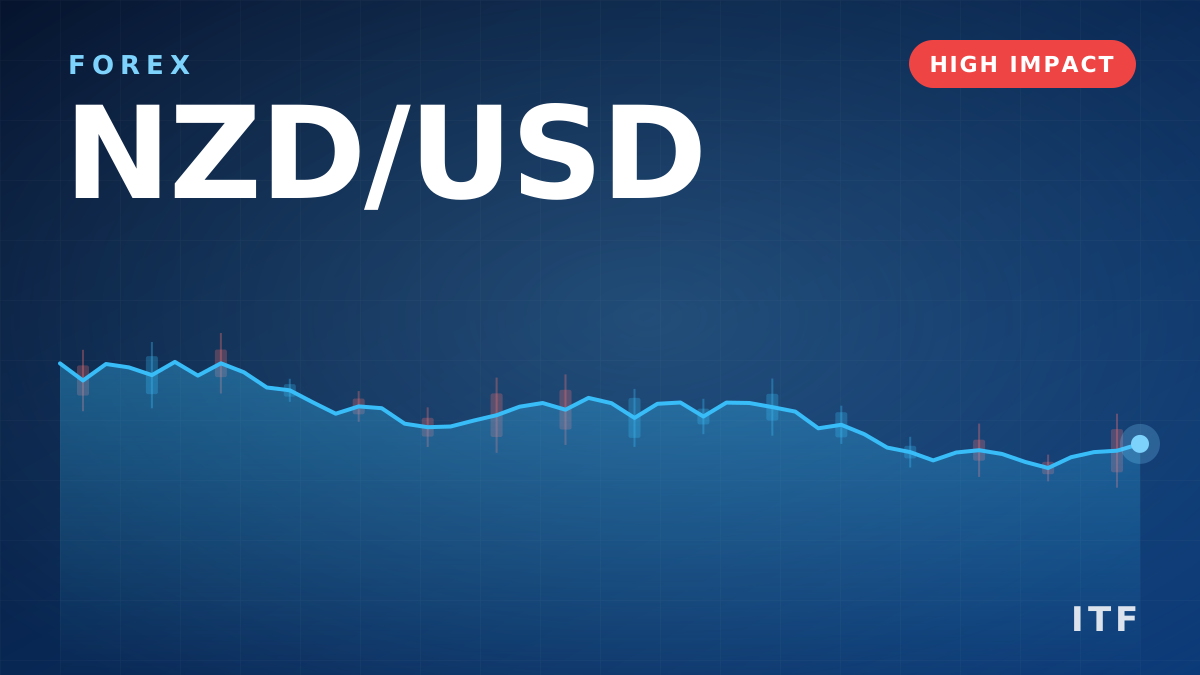
NZD/USD nudged to 0.5580 on Nov 4, 2026 as a broad US dollar sell‑off and New Zealand’s weak jobs data limit further upside.
Key takeaways
- NZD/USD rose to around 0.5580 on Nov 4, 2026 after a three‑day decline.
- New Zealand unemployment jumped to 5.7% in Q3 2026 – an 11‑year high.
- The US Dollar Index fell to a one‑month low amid early US midterm vote counts.
- RBNZ kept rates on hold last week, signalling a dovish shift.
The NZD/USD pair edged higher to the 0.5580 level on Nov 4, 2026, snapping a three‑day losing streak. The move came as a broad‑based sell‑off in the US dollar offset disappointing New Zealand employment data and a surprise on‑hold decision by the Reserve Bank of New Zealand (RBNZ).
US dollar weakness provides temporary lift
The US Dollar Index (DXY) slipped to an over‑one‑month low after early counts in the US midterm elections suggested a higher probability of a Democratic win. A potential gridlock in Washington pushed investors toward safe‑haven US Treasuries, lowering bond yields and reducing demand for the greenback. Hopes of renewed Iran diplomacy added further pressure on the dollar, giving the NZD/USD pair a modest boost.
Despite the dollar’s weakness, the rally in NZD/USD lacked depth. Traders remained cautious because the underlying New Zealand labour market data were weak, limiting the pair’s upside potential.
New Zealand labour data underline RBNZ dovish stance
Statistics New Zealand reported that the unemployment rate rose to 5.7% in Q3 2026 – the highest level in 11 years. At the same time, the monthly employment change slipped to –0.1%, well below the 0.4% consensus. These figures reinforced the RBNZ’s dovish bias after it left its policy rate unchanged last week, signaling that further easing may be on the table if labour weakness persists.
The dovish tilt contrasts sharply with expectations for the US Federal Reserve, which market participants still see raising rates in December amid persistent inflation risks tied to volatile energy prices. This policy divergence kept the NZD/USD pair from making a stronger move.
Read also: Euro rises near 1.1250 as US midterm election uncertainty weighs on the dollar
Regional and global cues shaping the pair
China’s services PMI fell to 50.8 in October from 51.6 in September, indicating a slowdown in the world’s second‑largest economy. A weaker Chinese economy tends to dampen demand for risk‑on currencies, including the New Zealand dollar, and adds to the cautious tone around the pair.
In the US, the JOLTS report showed stable hiring in September, supporting expectations of a Fed rate hike in December. The upcoming US ADP employment, ISM Services PMI and the pivotal Non‑Farm Payrolls (NFP) data on Friday are now the primary catalysts for the dollar and, by extension, NZD/USD.
Key levels and what to watch
Technical charts show resistance near 0.5600, a level that held earlier in the week, while support sits around 0.5540. A break above 0.5600 could invite more buying, but any reversal of US dollar weakness or stronger Chinese data may push the pair back toward the support zone.
- Watch US midterm election updates – further dollar weakness if Democratic prospects rise
- Monitor US NFP and ADP reports on Friday for decisive dollar moves
- Track China services PMI for indirect influence on risk sentiment
Frequently asked questions
Why did the NZD/USD pair rise despite weak New Zealand employment data?
The pair gained on Nov 4, 2026 because the US dollar sold off sharply after early midterm election counts suggested a Democratic win, which reduced safe‑haven demand for the greenback and gave the New Zealand dollar a temporary lift.
What does the RBNZ’s on‑hold decision indicate for future NZD moves?
By keeping rates unchanged and signalling a dovish outlook after the unemployment rate hit 5.7%, the RBNZ suggests that further easing is possible if labour weakness continues, which caps upside for NZD/USD until US rate expectations change.
Official data sources
Related news
- Euro rises near 1.1250 as US midterm election uncertainty weighs on the dollar
- Gold XAU/USD holds above $3,870 support as downside risk builds
- Market overview: NZ unemployment rise, US midterms and crypto sentiment shape trading
- Aud/usd recovers after rba dovish hike
More from ITF
- ITF trading signals for gold and forex
- Copy verified traders with ITF Copy Trading
- This week’s economic calendar
This article is compiled from international market news for information only. It is not investment advice.