Hormuz oil exports could decline amid inbound tanker shortage
 ITF Team2 min read
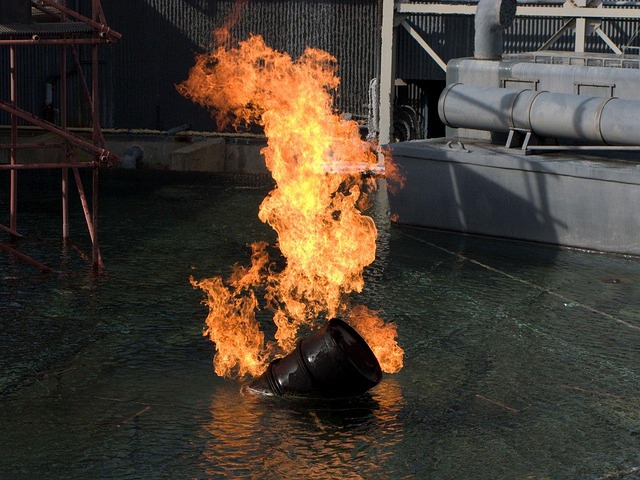
Brent fell to $92/barrel as supertanker shortages from Hormuz STS transfers cut empty vessel capacity by 40% since August, raising supply‑risk concerns.
Key takeaways
- Brent Crude slid to around $92 per barrel from a peak above $118 in late October 2026.
- Empty supertanker and Suezmax capacity heading to the Gulf of Oman dropped to 71 million barrels from 130 million barrels since the end of August 2026 (≈40%).
- Five tankers were reported struck near Hormuz between 11‑18 Nov 2026, according to Windward intelligence.
- The IEA expects a global oil surplus to begin this quarter (Q4 2026) with a larger build‑out in 2027.
Oil flows from the Strait of Hormuz have rebounded to near‑pre‑war levels, yet the market faces a new bottleneck. As of 16 Nov 2026, the combined empty‑tanker capacity available for Hormuz‑bound shipments fell to 71 million barrels, down from 130 million barrels at the end of August, a decline of roughly 40 %. The shortage is linked to prolonged ship‑to‑ship (STS) transfers in the Gulf of Oman, which keep supertankers tied up for weeks.
How the tanker crunch is shaping Brent prices
Brent Crude has slipped to about $92 per barrel, a sharp retreat from the $118‑plus peak recorded in late October 2026. The price drop reflects bearish sentiment despite robust export volumes, as traders price in the risk that fewer empty vessels will be able to move oil out of the Gulf of Oman.
Tanker rates, while lower than the record highs of early October, remain above historical norms because war‑risk insurance premiums and operational delays add to voyage costs. Analysts such as Maria Bertzeletou of Signal Group note that repeated attacks and heightened insurance costs continue to limit the pool of owners willing to accept Gulf contracts.
Security incidents and their impact on vessel availability
Iran has reported daily incidents of tankers striking naval mines in corridors it deems “unauthorized.” Independent monitoring by Windward identified five tanker strikes near Hormuz between 11 and 18 Nov 2026. These attacks reinforce Iran’s maritime‑attrition strategy and deter operators from committing vessels to the region.
The resulting risk premium discourages owners from positioning VLCCs, Suezmaxes and Aframaxes on Hormuz routes, further shrinking the empty‑tanker pool. Samir Madani of Tankertrackers.com warned that there are “not enough vacant tankers to take oil out of the region,” a statement supported by the 40 % capacity decline.
Read also: Middle east war wipes 2.8 billion barrels off global oil supply
Supply outlook and the prospect of an oil surplus
Despite the security concerns, export volumes from the Middle East remain elevated, albeit slightly lower in November than in October. Investment banks and the International Energy Agency (IEA) both project a global oil surplus as early as Q4 2026, with a more pronounced build‑up in 2027.
ING’s commodities strategists Ewa Manthey and Warren Patterson argue that the recovering supply will limit any sustained price rebound. Goldman Sachs forecasts Brent averaging $88 per barrel in 2027 under a base‑case scenario that assumes no major diplomatic breakthrough and no long‑term damage to Iranian infrastructure.
What traders should monitor next
Key data points to watch include: (1) further developments in U.S.–Iran diplomatic talks, which could ease or intensify maritime tensions; (2) weekly tanker‑track reports for changes in empty‑vessel capacity; and (3) upcoming IEA monthly updates that may adjust the timing or magnitude of the projected surplus.
- Monitor diplomatic signals from Washington and Tehran for any de‑escalation.
- Track weekly empty‑tanker capacity on Tankertrackers.com for signs of recovery or further decline.
- Watch IEA monthly reports for revised surplus forecasts and build‑out timelines.
Frequently asked questions
Why are Brent prices falling even though Hormuz oil exports are near pre‑war levels?
Traders are pricing in the risk that a shrinking pool of empty tankers – down about 40 % since August – may limit the ability to move oil out of the Gulf of Oman, adding a supply‑risk premium that pushes Brent lower.
How many tankers have been hit near Hormuz in the first half of November 2026?
Five tankers were reported struck near the Strait of Hormuz between 11 Nov and 18 Nov 2026, according to remote‑sensing intelligence from Windward.
Official data sources
Related news
- Middle east war wipes 2.8 billion barrels off global oil supply
- WTI rebounds above $82 on escalating Middle East tensions
- Heating oil payments delayed as MP urges faster council action
- Venezuela oil recovery faces new congressional scrutiny after US midterms
More from ITF
This article is compiled from international market news for information only. It is not investment advice.