European gas TTF near EUR 100 as Iran tensions ebb and flow
 ITF Team3 min read
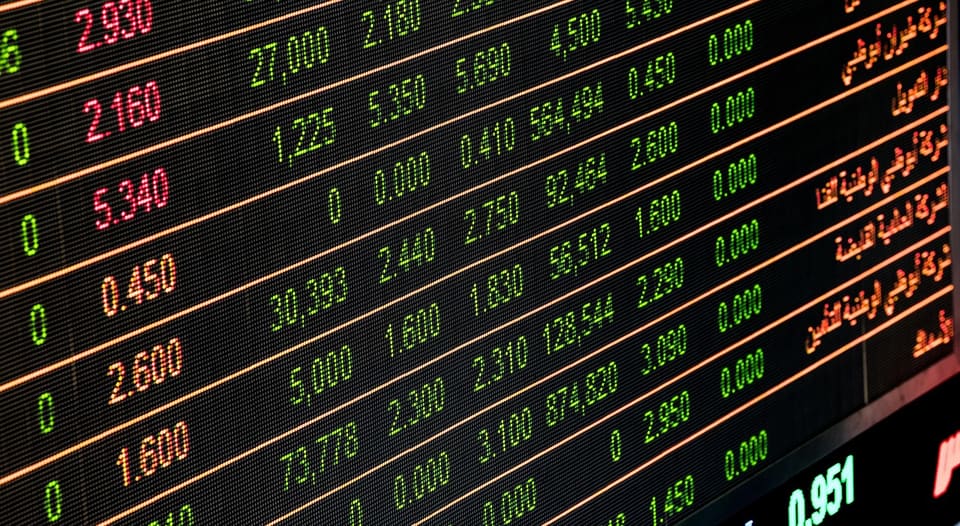
TTF gas fell to EUR 93.5/MWh on 11/2/2026 before rebounding toward EUR 100, driven by shifting hopes for a diplomatic solution to the Iran conflict.
Key takeaways
- TTF fell from EUR 104 to EUR 93.5 per MWh on 11/2/2026, a drop of roughly 10%.
- Renewed US strikes on Iran lifted the price back toward EUR 100 per MWh later on 11/2/2026.
- Commerzbank warns that any further escalation could push TTF above the EUR 100 threshold again.
- The price movement reflects the market’s rapid re‑pricing of geopolitical risk premium linked to Iran.
On 2 November 2026 the Dutch Title Transfer Facility (TTF) price for European gas slipped to EUR 93.5 per megawatt‑hour, down about 10% from EUR 104 the day before. The decline was sparked by fresh optimism that diplomatic talks could calm the escalating Iran‑United States confrontation, prompting traders to trim the geopolitical risk premium. By the close of the session the price had recovered toward the EUR 100 mark as renewed US strikes on Iranian targets re‑ignited fear of supply disruptions.
Why the price fell – diplomatic hopes reduced the risk premium
Commerzbank’s market note highlighted that the sudden dip was not driven by fundamentals such as demand or storage levels, but by a shift in perception. When analysts sensed a possible diplomatic breakthrough, they priced out a portion of the war‑related risk that had been inflating TTF. The 10% slide illustrates how quickly the European gas market can react to geopolitical headlines, especially when the underlying supply chain – pipelines from Norway, LNG imports and intra‑EU flows – remains relatively tight.
The risk premium in gas markets is often measured as the spread between TTF and the global benchmark, LNG, or between TTF and oil‑linked contracts. A reduction in perceived conflict risk narrows that spread, pulling TTF lower. Traders also considered the potential for reduced demand for oil‑linked power generation in Europe if the conflict de‑escalated, further supporting the price drop.
Renewed US strikes push the price back toward EUR 100
Later on 2 November, reports of new US air strikes on Iranian facilities re‑introduced uncertainty. Commerzbank warned that each escalation episode can quickly add a few euros per MWh to the TTF level, as market participants hedge against possible supply shocks to the Mediterranean and Black Sea routes that feed European gas markets.
The price rebound to around EUR 100 demonstrates the market’s sensitivity to real‑time conflict updates. Even though the price did not breach the EUR 104 level of the previous day, the move back up erased most of the earlier gains for short‑term traders and re‑established a psychological barrier at the round‑number EUR 100.
Read also: U.S. dollar gains ground ahead of midterm elections
Historical context and key technical levels
TTF has traded above EUR 100 for much of 2025‑2026, reflecting a combination of limited storage, high demand for heating, and ongoing geopolitical strain. The EUR 93.5 low on 2 November marked the deepest intraday dip since early 2025, while the EUR 100 rebound aligns with a well‑watched support zone that has acted as a floor in previous risk‑off episodes.
Technical analysts note that a break below EUR 90 could signal a longer‑term correction, whereas a firm hold above EUR 100 may indicate that the market is simply pricing in a temporary risk premium rather than a structural shift in supply‑demand fundamentals.
What traders should monitor next
Commerzbank cautions that any further military action – especially a direct US strike on Iranian oil infrastructure – could push TTF back above EUR 100 and potentially toward EUR 110 if supply routes are severely constrained. Conversely, credible diplomatic progress, such as a cease‑fire agreement, could once again depress the price toward the low‑90s.
Key data releases to watch include European gas storage reports (released weekly), the International Energy Agency’s monthly oil‑demand outlook, and any official statements from the US State Department or the Iranian foreign ministry. Traders also keep an eye on the EUR/USD exchange rate, as a stronger euro can make imported gas cheaper for European utilities.
- 2 Nov 2026 – TTF falls to EUR 93.5/MWh (‑10%)
- 2 Nov 2026 – US strikes lift price back toward EUR 100/MWh
- Potential escalation could push TTF > EUR 100
- Diplomatic breakthrough could keep price near EUR 95
Frequently asked questions
Why did the TTF price drop sharply on 2 November 2026?
The drop was triggered by market optimism that diplomatic talks could resolve the Iran‑US conflict, which reduced the geopolitical risk premium that had been inflating European gas prices.
What could cause TTF to rise above EUR 100 again?
According to Commerzbank, any further US military action against Iran or a failure of peace talks would likely re‑add a risk premium, pushing the price back above the EUR 100 level.
Official data sources
Related news
- U.S. dollar gains ground ahead of midterm elections
- What i am watching today – nasdaq 100, platinum, eur/chf, and aud/jpy
- Gold slides below $3,900 as Fed hike bets weigh on USD
- Yen weakens as US midterm elections draw attention
More from ITF
- ITF trading signals for gold and forex
- Copy verified traders with ITF Copy Trading
- This week’s economic calendar
This article is compiled from international market news for information only. It is not investment advice.